Apricot Harvest 2026: What Buyers Should Expect
A cool spring pushed the harvest window back by ten days and tightened the premium calibres. Here is what that means for contracts signed this autumn.
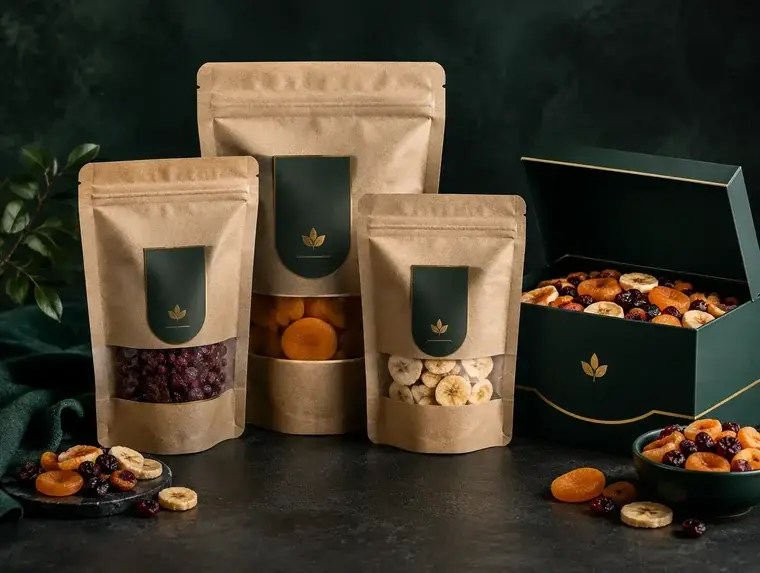
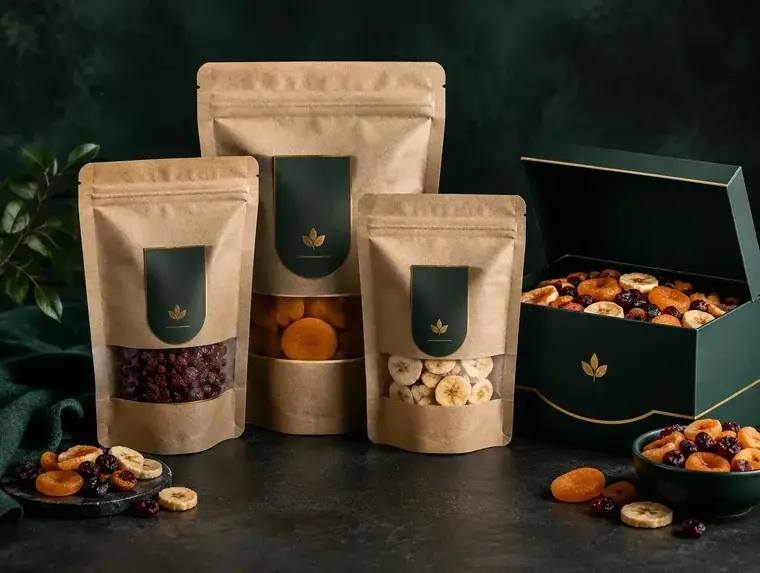
A private label launch fails on timing far more often than on quality. The product is usually ready weeks before the packaging is, because packaging decisions are made in the wrong order.
Decide the film structure first, not the artwork. A dried fruit pouch needs a barrier that holds moisture and blocks oxygen; the choice between a metallised laminate and a transparent high-barrier film changes both the print method and the lead time, typically by three weeks.
Second, fix the fill weight and the pack format before the designer starts. Changing from 200 g to 250 g after artwork approval means a new die line, a new print run and a new shelf-life confirmation.
Third, plan the shelf-life study into the calendar. Accelerated testing gives an indication in six weeks, but a real-time confirmation on a twelve-month claim needs twelve months. Retailers increasingly ask for the real-time data.
Our standard private label lead time, from approved artwork to loaded container, is nine to eleven weeks for pouches and seven to nine for cartons — assuming the three decisions above are settled before the design brief goes out.
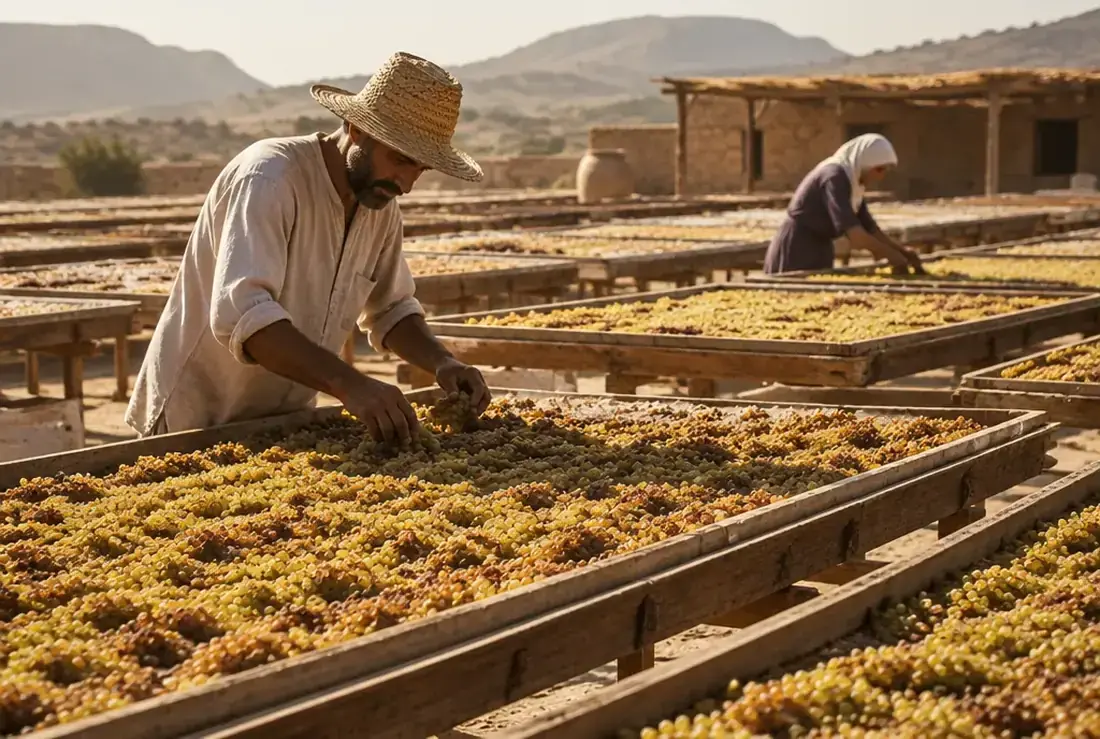
A cool spring pushed the harvest window back by ten days and tightened the premium calibres. Here is what that means for contracts signed this autumn.
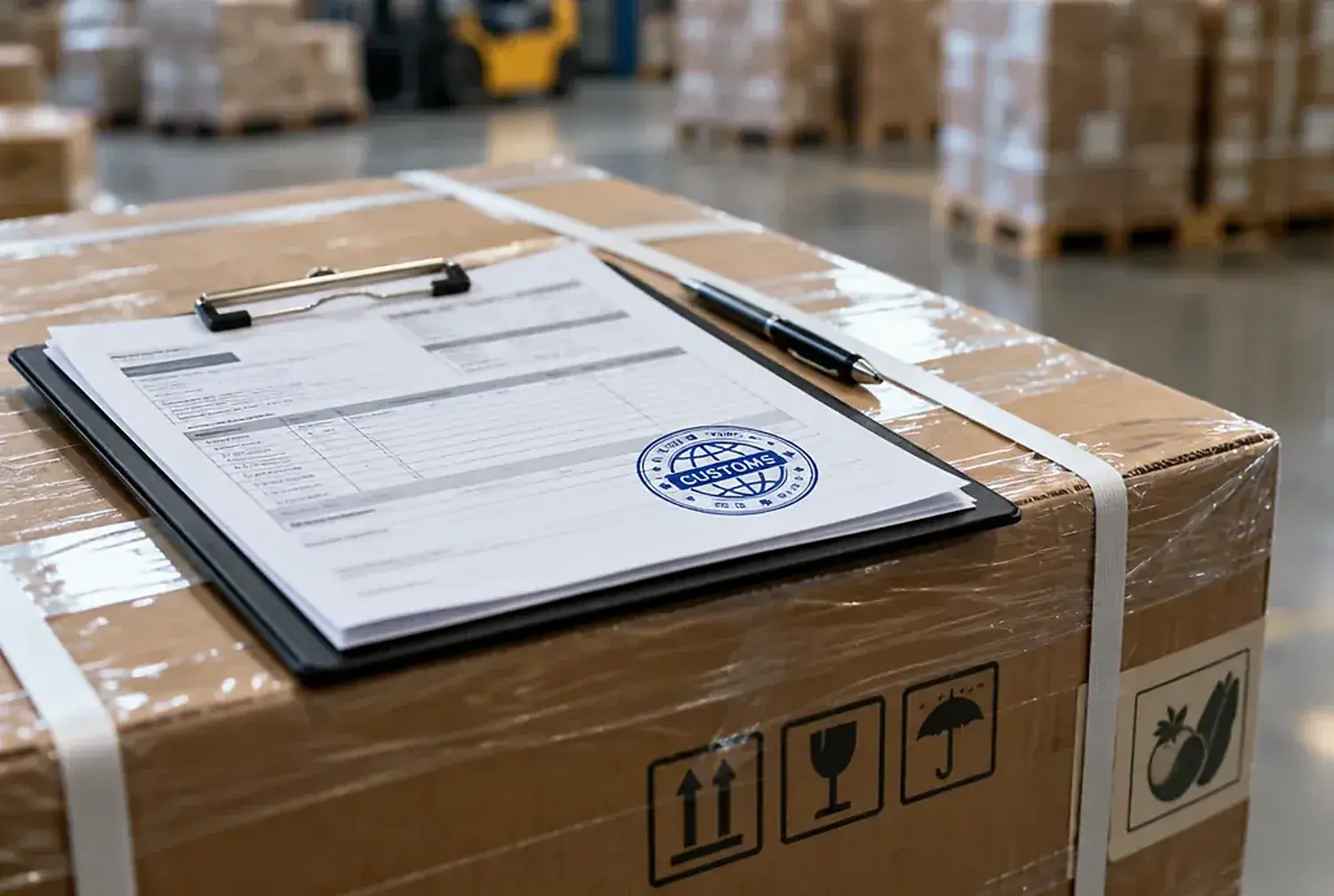
FDA registration, prior notice, FSVP and the documents that actually get checked at the port — in the order you need them.
A traceability code is only useful if it resolves to a farm, a date and a test result. Most do not. Here is how ours is built.