Apricot Harvest 2026: What Buyers Should Expect
A cool spring pushed the harvest window back by ten days and tightened the premium calibres. Here is what that means for contracts signed this autumn.
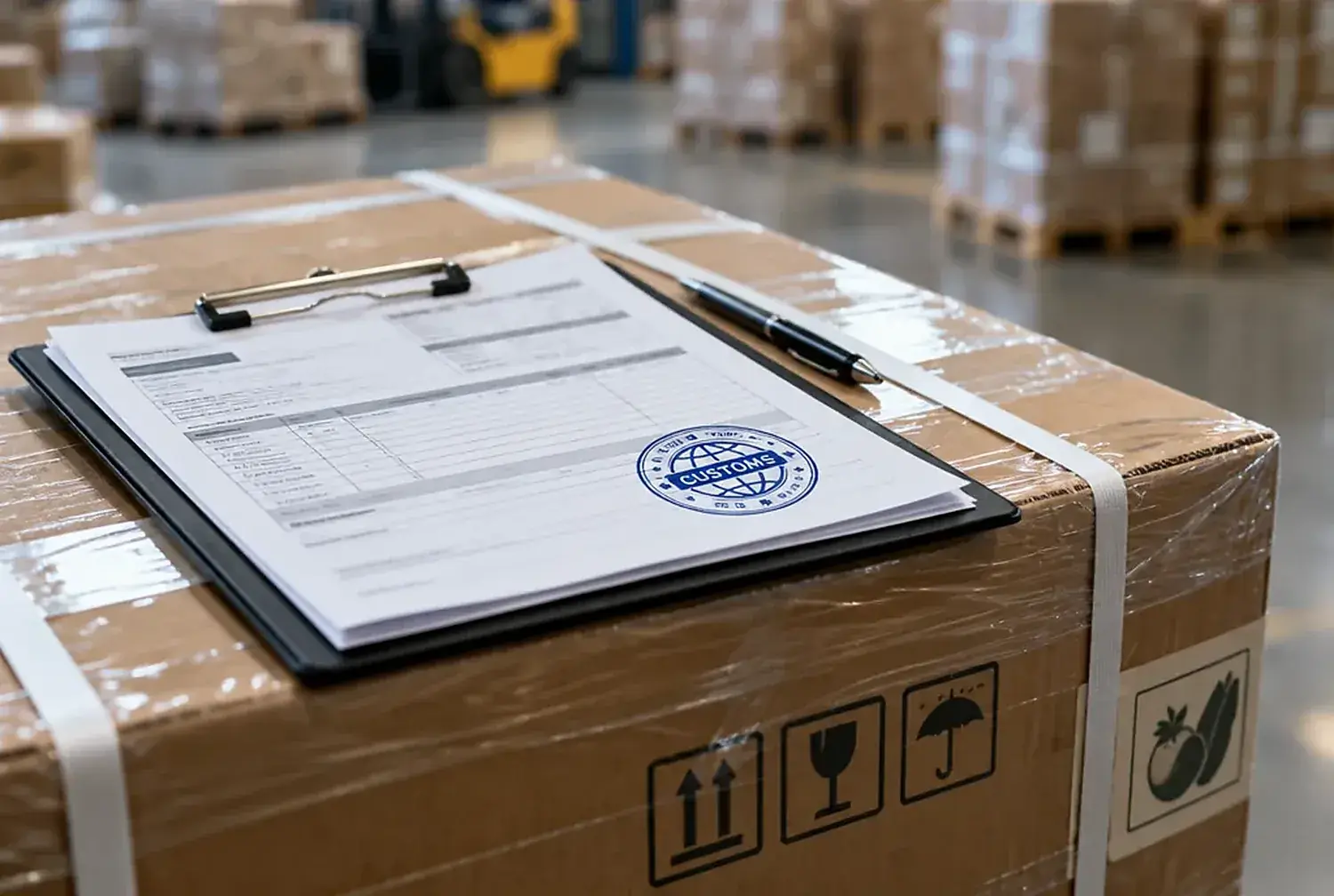
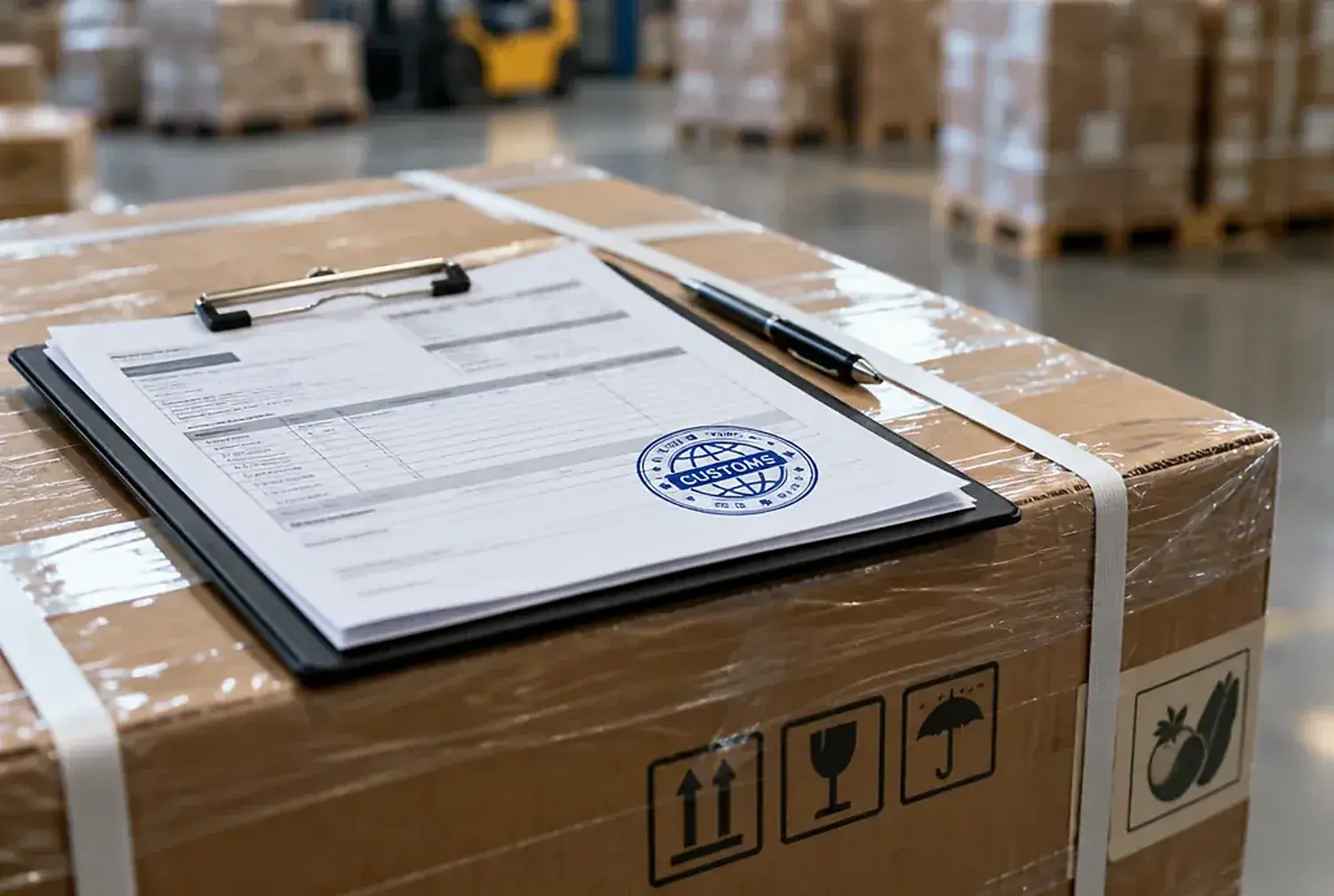
Most delays at U.S. entry are not caused by the product. They are caused by paperwork that was technically present but not consistent with itself — a weight on the packing list that does not match the bill of lading, or a prior notice filed against a different container number.
The first requirement is facility registration. Any foreign facility that manufactures, processes, packs or holds food for U.S. consumption must be registered with the FDA and must renew that registration in even-numbered years. The registration number travels with every shipment.
Second is prior notice. It has to be submitted before the goods arrive — no less than four hours before arrival by land or air, and eight hours by sea. The submission must reference the correct container and the correct FDA product code.
Third, and most often underestimated, is the Foreign Supplier Verification Program. The importer of record, not the exporter, carries this obligation: hazard analysis, supplier evaluation and documented verification activities such as annual on-site audits or lot-by-lot testing.
In practice we recommend that new buyers agree the FSVP evidence package with us before the first purchase order rather than after. We supply the hazard analysis, the certificates and the lot testing schedule in a single file that a compliance officer can accept without a follow-up call.
Finally, the boring detail that causes real money to be lost: make sure the certificate of origin, the phytosanitary certificate and the invoice all describe the goods with exactly the same wording. Not a similar wording. The same one.

A cool spring pushed the harvest window back by ten days and tightened the premium calibres. Here is what that means for contracts signed this autumn.

A traceability code is only useful if it resolves to a farm, a date and a test result. Most do not. Here is how ours is built.

Artwork, film structure, shelf-life testing and the three decisions that determine whether your launch date holds.