Apricot Harvest 2026: What Buyers Should Expect
A cool spring pushed the harvest window back by ten days and tightened the premium calibres. Here is what that means for contracts signed this autumn.


Freight rates on the Central Asia – U.S. lane move with the season, and the peak is predictable: the six weeks after the main dried fruit harvest, when everyone books at once.
Buyers who split their annual volume into three shipments — one pre-season, one at peak and one in the quiet window after New Year — typically pay eight to twelve percent less in total freight than buyers who take everything in the peak.
There is a quality argument as well. Splitting shipments means the last third of your annual volume arrives four to five months fresher, which matters for products with a twelve-month shelf life sold in retail packs.
We plan container bookings against the drying calendar rather than the order date, and we share the loading schedule with buyers a month ahead so that warehouse space and customs brokerage can be arranged without rush fees.
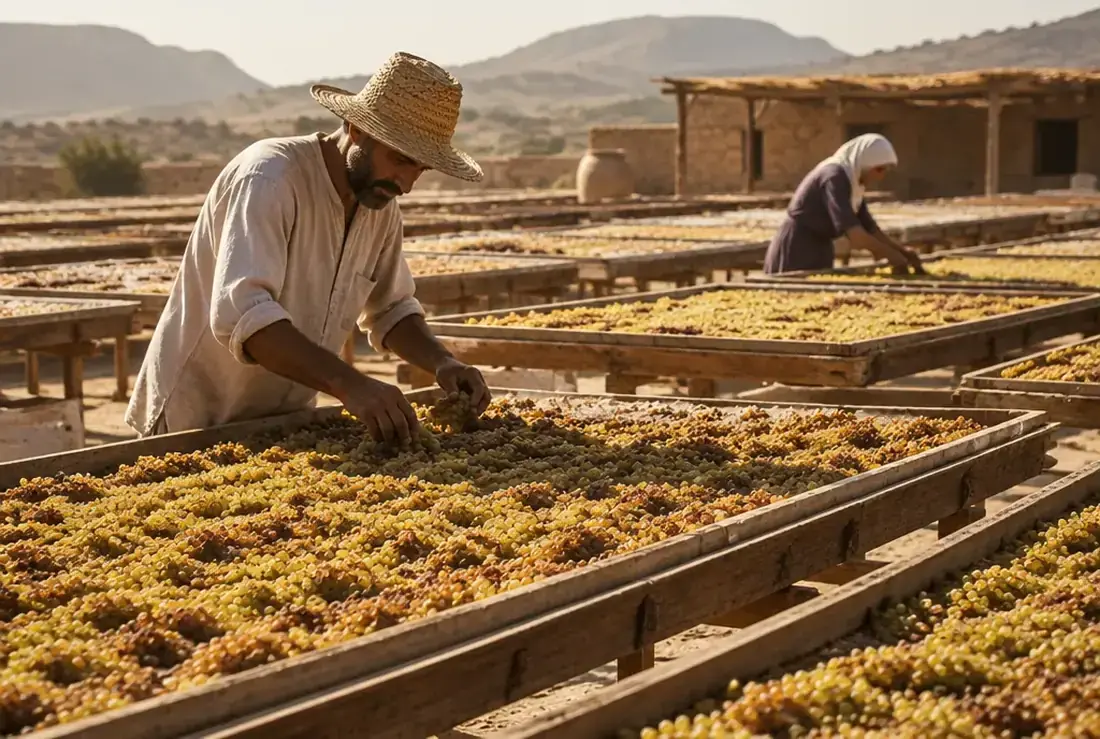
A cool spring pushed the harvest window back by ten days and tightened the premium calibres. Here is what that means for contracts signed this autumn.
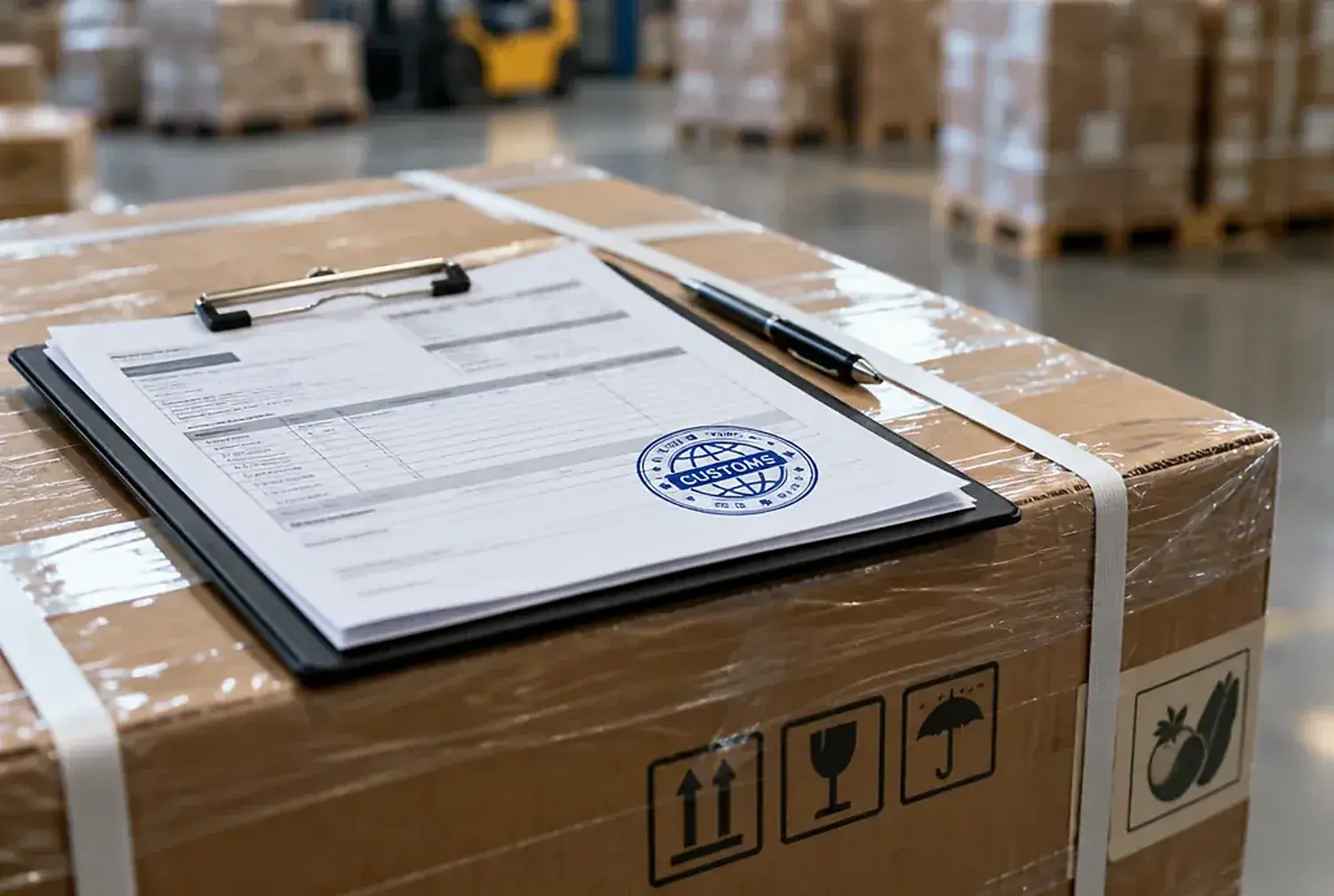
FDA registration, prior notice, FSVP and the documents that actually get checked at the port — in the order you need them.
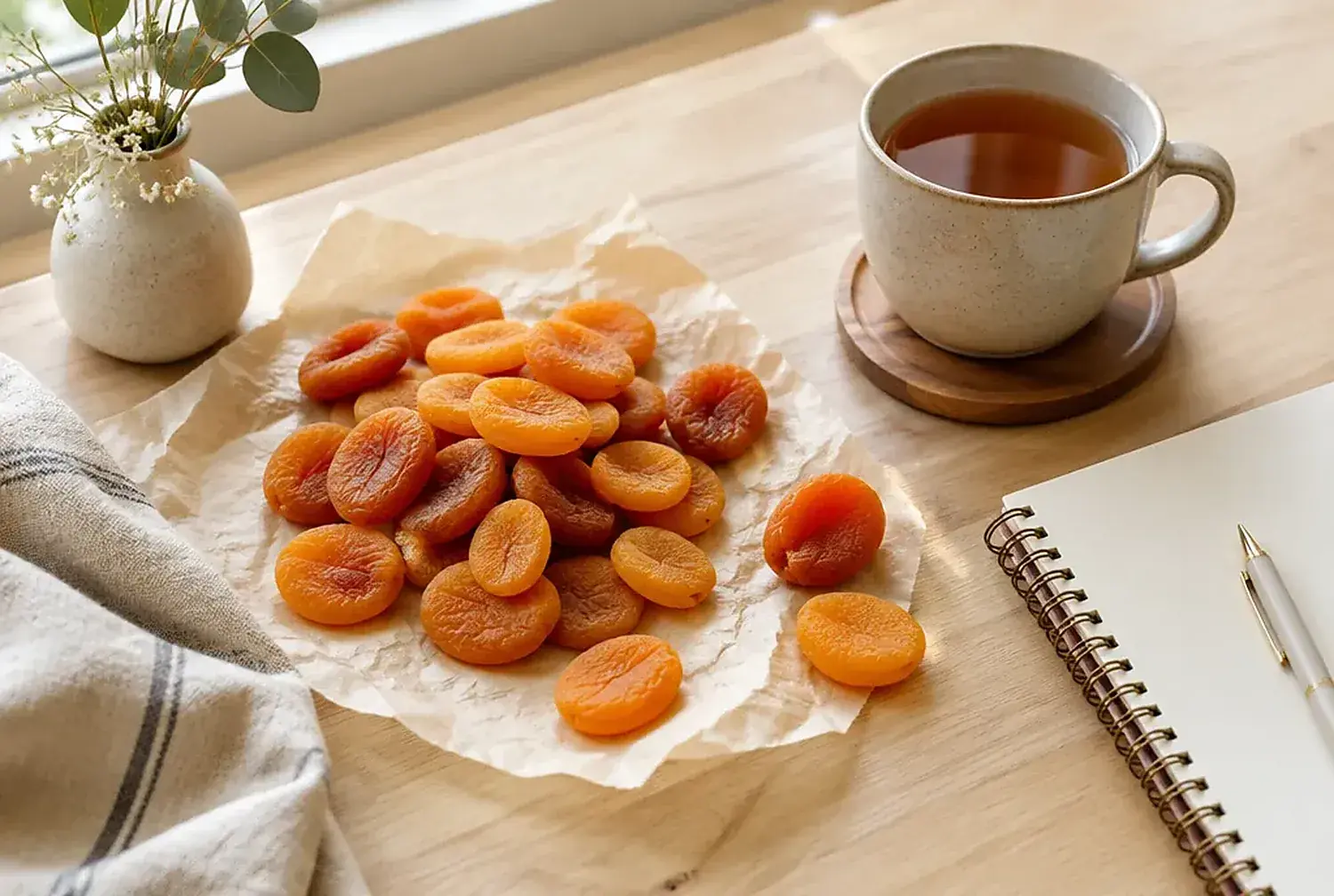
A traceability code is only useful if it resolves to a farm, a date and a test result. Most do not. Here is how ours is built.